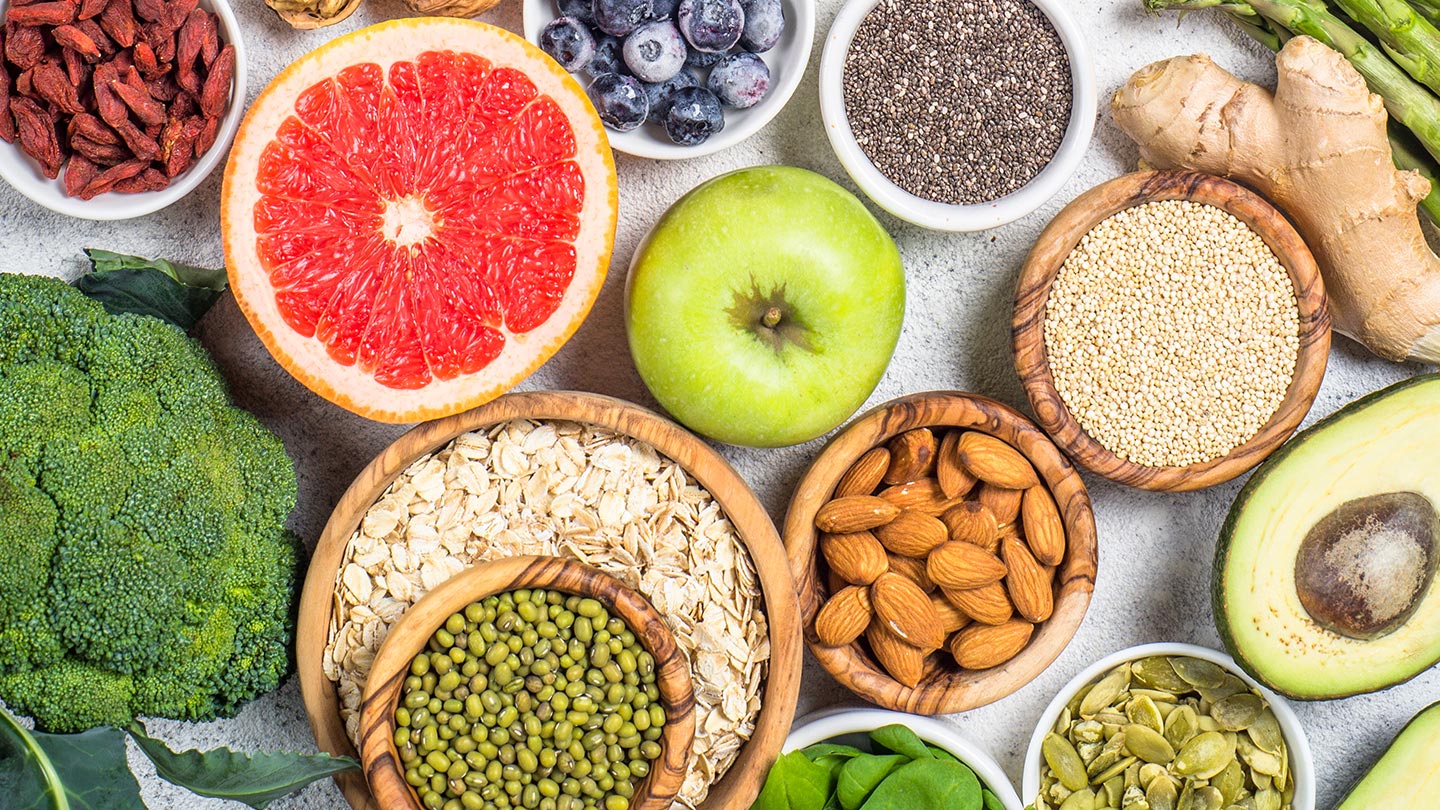
There’s something about the word prediabetes that makes people suddenly look at their kitchen differently. The rice seems suspicious. The biscuits are suddenly on trial. Someone recommends giving up fruit. Someone else suggests drinking bitter gourd juice every morning. And before you know it, your perfectly ordinary kitchen has become a battlefield.
You don't need a special kitchen after a prediabetes diagnosis. You need one that makes everyday meals a little easier to get right. A few well-chosen staples can go a long way.
Related story: 9 Tips to Reverse Prediabetes Naturally

1. Make Pulses the Easy Protein Choice
Think about the foods that already belong in an Indian kitchen: moong dal, masoor, chana, rajma, lobia, whole green gram. Pulses provide fibre, plant protein and carbohydrates that tend to digest more slowly than many refined carbohydrate foods. That combination can make a meal more filling while producing a gentler rise in blood glucose.
A systematic review published in Diabetologia in 2009 analysed 41 controlled trials and found that pulses improved several markers of glycaemic control. Whole chana in a salad, rajma in a curry or a simple bowl of dal with vegetables can be far more useful than searching for a diabetic-friendly packaged substitute. The goal is not to declare war on carbohydrates. It is to stop letting refined carbohydrates do all the work.
Related story: Diet Tips From A Nutritionist To Prevent Blood Sugar Spikes
2. Give Oats and Whole Grains a Better Spot
Here is a kitchen trick that has nothing to do with willpower: make the better choice the easier choice. If oats are sitting at the front of your pantry, breakfast becomes easier. If whole-grain flour is already part of your routine, you don't have to reinvent lunch. Whole grains contain more of the grain's natural structure and fibre than refined grains.
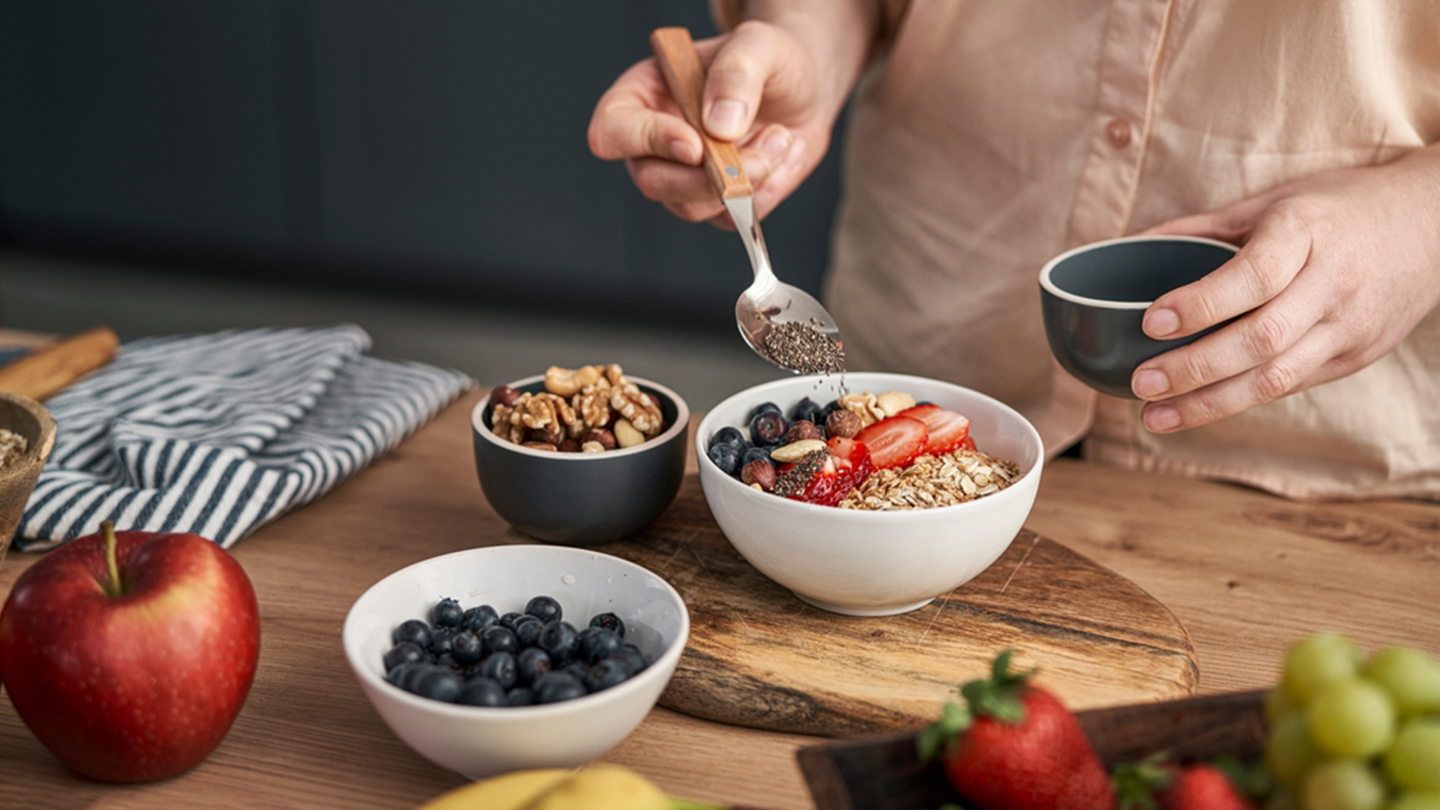
Oats contain beta-glucan, a type of soluble fibre that can slow digestion and affect the way glucose enters the bloodstream. A 2021 systematic review and meta-analysis in the British Journal of Nutrition examined 103 controlled trial comparisons involving 538 participants. Adding oat beta-glucan reduced post-meal glucose and insulin responses. Try oats with nuts and seeds rather than turning them into a dessert. Use barley in soups or khichdi. Choose less-refined grain options when they work for you.
Related story: Satisfy Without Spiking: Smarter Eating for Diabetes
3. Let Nuts and Seeds Handle the Snacking
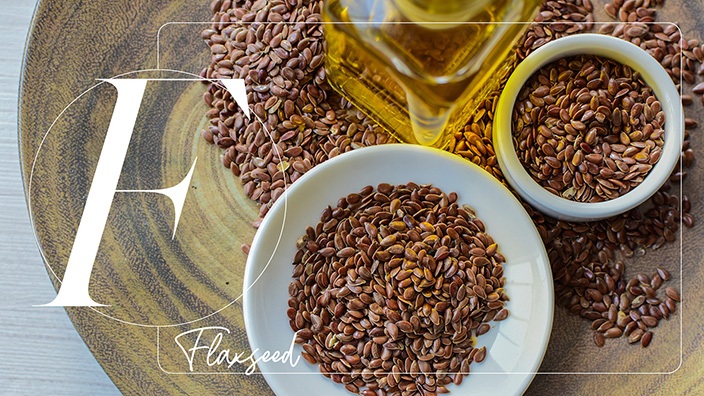
Almonds, walnuts, peanuts, pumpkin seeds, flaxseeds, or chia. Pick the ones you actually enjoy eating. Nuts and seeds bring something useful to a carbohydrate-containing meal: fat, fibre and some protein. Together, these can make a meal more satisfying and slow the overall pace of digestion.
A handful of nuts can make a much more useful snack than something that disappears from your hand in three bites and leaves you hungry again half an hour later. Just remember that nuts are energy-dense. Healthy does not mean unlimited.
Related story: Snack by the Hour: A Guide to Eating Nuts at the Right Time
4. Make Vegetables Hard to Ignore
Keep vegetables you will genuinely use: beans, carrots, capsicum, cauliflower, cabbage, spinach, gourds, broccoli, tomatoes or whatever fits your usual cooking. A 2018 qualitative study in Diabetic Medicine, which interviewed 20 people after a prediabetes diagnosis, found that practical strategies such as planning, growing and sharing food, and using frozen vegetables helped people make dietary changes.
A bag of frozen peas or mixed vegetables can turn dal into a more substantial meal. Spinach can go into an omelette. Chopped vegetables can bulk up poha, upma or pulao. The goal is to make vegetables so convenient that adding them requires less effort than skipping them.
Related story: Snack Smarter - How to Build a Blood Sugar-Friendly Plate

5. The Simple Meal Addition Worth Trying
A systematic review and meta-analysis published in Diabetes Research and Clinical Practice in 2017 found that vinegar consumption alongside meals reduced post-meal glucose and insulin responses. So, think of vinegar as a meal accessory, not medicine.
A little vinegar-based dressing over a salad, vegetables or a bean dish can add acidity and flavour without relying on sugary sauces. And if you already enjoy lemon, lime or other naturally acidic ingredients, use them too.
Related story: 7 Habits That Can Help Stabilise Blood Sugar Naturally
Your Kitchen Cannot Do All the Work
You can have oats in the cupboard, dal soaking on the counter and vegetables filling the fridge; and still benefit from changing how you put the meal together. In a 2018 study published in Diabetes, Obesity and Metabolism, 15 people with prediabetes ate the same meal in different sequences. When they ate vegetables and protein before carbohydrates, their glucose peaks were reduced by more than 40 per cent compared with eating carbohydrates first.
So perhaps the question isn't always, “Can I eat rice?” Sometimes it is, “What am I eating with the rice, and what am I eating first?”
Related story: 7 Smart Eating Tips for Prediabetes
Prediabetes does not require a kitchen full of expensive superfoods. It requires a kitchen that makes sensible choices easier. Keep pulses handy. Choose more intact grains. Have nuts around for satisfying snacks. Make vegetables convenient. Use flavourful, unsweetened dressings. Then build meals you actually want to eat. The best prediabetes-friendly kitchen is the one where the everyday choice quietly becomes the healthier choice.
Book a diet consult and make everyday eating simpler and smarter.
Sign up for newsletter